SIA Licence Guide: Cost, Training, Requirements & Renewal 2026

SIA Licence requirements are essential for anyone planning to work legally in many private security roles across the UK. This guide explains the process in a simple, practical way, covering eligibility, required training, documents, application fees and renewal. You will also learn how to apply for a licence and check its status, helping you understand the key steps before starting work as a security professional.Visit our Homepage for more information.

What Is an SIA Licence?

An SIA licence is issued by the Security Industry Authority (SIA), the organisation responsible for regulating parts of the private security industry in the UK.

For many regulated security activities, holding the correct licence is a legal requirement. It helps employers and the public know that an operative has completed the necessary training and passed the relevant checks.

Depending on the type of work you plan to do, you may need a licence for activities such as:

  • Security guarding
  • Door supervision
  • Public space surveillance using CCTV
  • Close protection
  • Cash and valuables in transit
  • Vehicle immobilisation in Northern Ireland

The correct licence depends on your role and the duties you will carry out.

Quick answer: You normally need approved training, proof of identity, the required application information and successful completion of the relevant checks before you can work in a regulated role.

SIA Login: How to Access Your Account

The SIA login service allows you to access your online licensing account, check your application and manage your licence information.

Step 1: Go to the Official SIA Login Page

SIA Licence
  • Visit the official SIA licensing service.
  • Make sure you are using the official website before entering personal information.
  • Avoid signing in through unofficial links or suspicious websites.

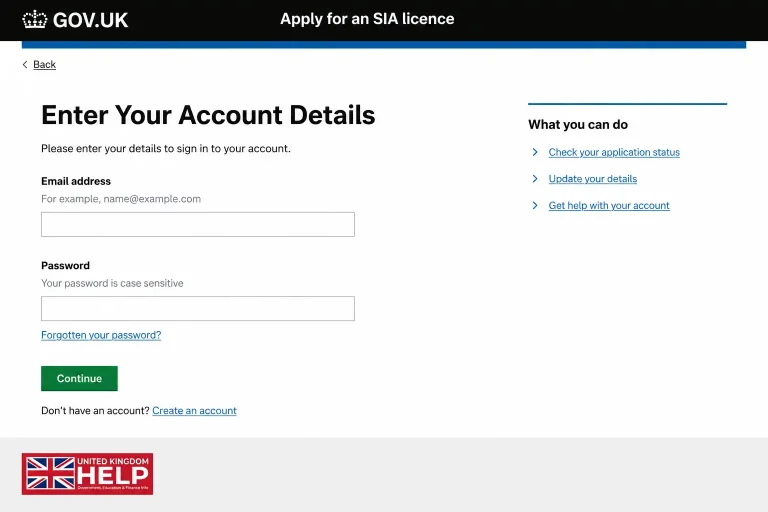
Step 2: Enter Your Account Details

  • Enter the login details connected to your account.
  • Check your information carefully before continuing.
  • Make sure there are no typing mistakes in your details.

Step 3: Complete Security Verification
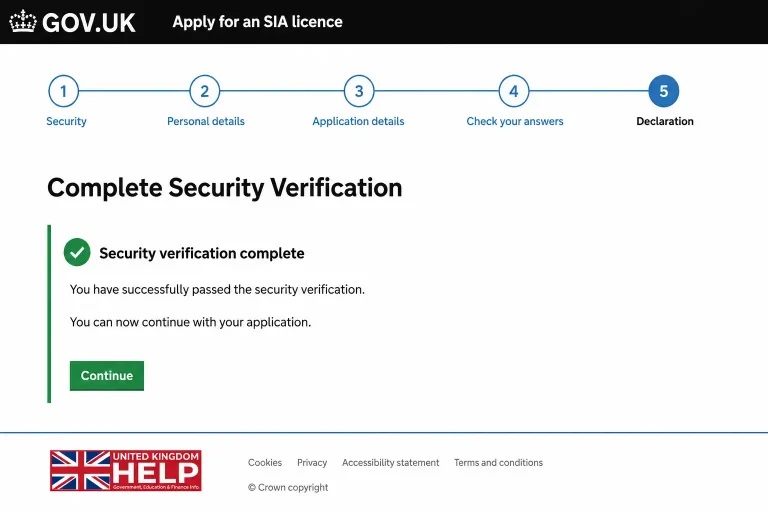
  • Follow any security checks shown on the screen.
  • Complete the required verification steps to confirm your identity.
  • Follow the instructions carefully before moving to the next stage.

Step 4: View Your Account Information
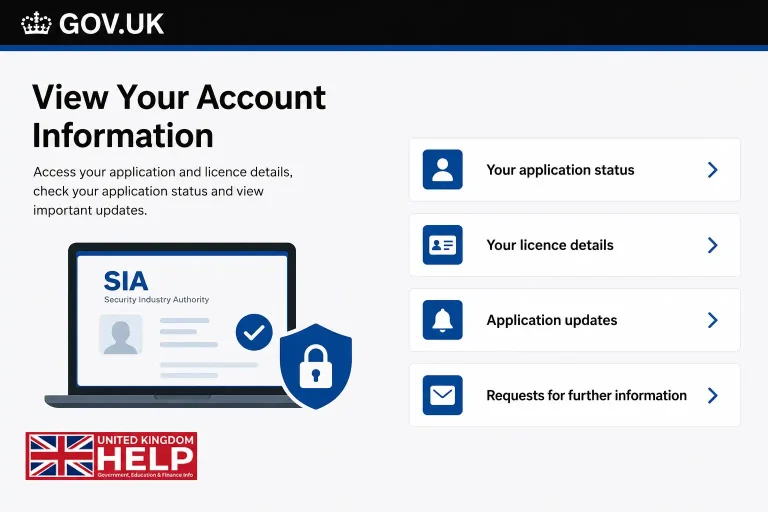
After signing in, you can check the relevant information available in your account, such as:

  • Your application status
  • Your licence details
  • Application updates
  • Requests for further information

Step 5: Check Your Account for Updates

  • Log in regularly while your application is being processed.
  • Check for new updates or notifications.
  • Respond promptly if further information is requested.

If You Cannot Access Your Account

Try the following steps:

  • Check your login details – Make sure you are entering the correct account information.
  • Use account recovery – Follow the official recovery process if you have forgotten your login details.
  • Complete identity checks – Provide any required information to verify your identity.
  • Avoid duplicate accounts – Do not create another account unless the official service instructs you to do so.

Understanding SIA Licence UK Categories

Private security licensing generally falls into two broad groups: front-line licences and non-front-line licences.

Front-Line Licence

A front-line licence is for people who carry out regulated security activities directly. This usually involves working with the public, protecting premises or people, monitoring security situations or responding to incidents.

Different licences are available for different types of work.

Door Supervisor

This is one of the most popular options for people entering the industry. A door supervisor may work at licensed premises, events and other locations where managing security and dealing with the public are part of the role.

The qualification can provide access to a wider range of jobs, including work at venues where alcohol is served.

Security Guard

A security guard licence is designed for certain guarding roles, such as protecting premises, monitoring access and helping identify security risks.

It can be suitable for work in locations such as offices, retail sites and other private premises. However, the duties permitted under this licence are different from those of a door supervisor.

Public Space Surveillance (CCTV)

This licence is intended for people whose role involves operating CCTV equipment to monitor public spaces or security environments.

It may be relevant to control-room work, professional monitoring services and other roles involving surveillance equipment.

Close Protection

Close protection licensing is required for people working in roles such as personal security or bodyguard services.

The work can involve protecting individuals, assessing risks and planning security arrangements. Training for this route is generally more specialised and can cost considerably more than entry-level security courses.

Cash and Valuables in Transit

This category applies to certain roles involving the protection and transportation of cash or valuable property.

Vehicle Immobilisation

Vehicle immobilisation licensing applies in Northern Ireland. It covers specific activities involving restricting the movement of vehicles and charging for their release.

Non-Front-Line Licence

A non-front-line licence is generally intended for people involved in certain management, supervisory or key-holding responsibilities rather than carrying out front-line security duties.

This may include:

  • Holding keys for protected premises
  • Managing employees who perform licensed activities
  • Acting in a supervisory role
  • Being a director or partner in a relevant security business

A front-line licence can also cover non-front-line responsibilities connected with the relevant work.

SIA Licence Requirements: Who Can Apply?

Before starting the application process, make sure you meet the basic eligibility conditions.

Although requirements can depend on the licence type and your circumstances, applicants generally need to meet requirements relating to age, identity, training and background checks.

Basic Eligibility Checklist

You may need to:

  • Be at least 18 years old
  • Complete the appropriate recognised qualification where required
  • Provide acceptable identity documents
  • Supply your address history
  • Declare relevant criminal convictions or other required information
  • Complete the application accurately
  • Pass the checks carried out as part of the licensing process

The information requested can vary depending on your circumstances, so it is important to prepare your documents before starting.

What Documents Do You Need?

Having your paperwork ready can make the application process much smoother.

You may be asked to provide information or documents relating to your identity, name and address.

Commonly required information can include:

  • A valid passport, where available
  • A driving licence, where available
  • Previous address details
  • Information supporting your identity
  • Details of relevant criminal convictions
  • Information required for background checks

You may also need to provide additional documents if the information supplied during your application needs further verification.

Before You Apply

Check that:

  • Your personal details are accurate
  • Your address history is complete
  • Your identification documents are valid
  • Your training has been completed
  • Any required certificates are available

Giving incorrect or incomplete information can delay the process.

SIA Licence Training: Choosing the Right Course

For most front-line roles, completing the correct recognised training is an essential step before applying.

The course you need depends on the type of work you want to do. Someone planning to work as a door supervisor will need different training from someone entering a CCTV or close protection role.

Training can cover areas such as:

  • Communication in security roles
  • Managing conflict
  • Risk awareness
  • Emergency procedures
  • Fire safety and health and safety
  • Relevant laws and legal responsibilities
  • Incident recording
  • Security procedures
  • Crime scene awareness

Some courses may also include additional modules required for current licensing standards.

Choosing a Training Provider

Before booking a course, make sure the provider offers a qualification recognised for the licence you intend to apply for.

It is worth checking:

  • Which licence the course supports
  • Whether all required modules are included
  • How long the course takes
  • What assessment is involved
  • When you will receive your qualification

Choosing the wrong course can mean spending money on training that does not support your intended application.

How Much Does an SIA Licence Cost?

The SIA licence cost includes the application fee, but you should also budget separately for any required training.

Based on the information provided in the original content, a first licence application costs £184. Training costs vary depending on the qualification and provider.

Typical examples mentioned include:

Licence route

Approximate training cost

Security Guard

Around £200

Door Supervision

Around £240

Close Protection

Around £2,000

For example, someone taking a door supervision course costing approximately £240 and paying a £184 licence application fee could expect an overall starting cost of around £424.

Training prices are not fixed across every provider, so comparing recognised courses before booking can be worthwhile.

Additional Licences

If you hold more than one eligible licence, subsequent licences may qualify for a reduced fee. The original pricing information states that additional licences can cost £92, representing a 50% reduction from the standard £184 fee.

Vehicle immobilisation licensing in Northern Ireland is treated differently and is not included in the same discount arrangement.

How to Get an SIA Licence: Step-by-Step

The process is easier to manage when you take it one stage at a time.

1. Decide Which Security Role You Want

Start by choosing the type of security work you want to do.

For example:

  • Want to work at pubs, clubs or events? → Door supervision may be relevant.
  • Want to guard offices or premises? → Security guarding may be suitable.
  • Want to operate professional CCTV systems? → Public space surveillance training may be required.
  • Want to work in personal protection? → Close protection is the relevant route.

Your career goal should determine the training and licence category you choose.

2. Complete the Required Training

Book and finish the recognised training course for your chosen role.

Keep any certificates or qualification details you receive, as these may be needed during the application process.

3. Prepare Your Documents

Before beginning the online application, collect your identification and address information.

Preparing everything in advance can help you avoid stopping halfway through the process.

4. Create an Online Account and Submit Your Application

You will need to use the official licensing system to begin the application.

Enter your information carefully and check every section before submitting it.

The application can take time to complete because it may require detailed information about your identity, addresses and personal history.

5. Pay the Required Fee

Once you reach the relevant stage of the application, pay the applicable licence fee.

Remember that the application fee and training costs are separate expenses.

6. Wait for the Required Checks

The application will go through the appropriate verification and background-checking process.

You may receive updates about the progress of your application through the licensing system and your registered contact details.

7. Receive Your Licence

You should not carry out regulated work that requires a licence until you are properly authorised to do so.

Once your application has been approved, you can move forward with applying for suitable security roles.

How to Get an SIA Licence for Free

Many people search for how to get an SIA licence for free, particularly when they are unemployed or trying to enter the security industry without a large upfront budget.

In some circumstances, funded training opportunities may be available.

Government-Funded Training Opportunities

Some adult education and employment programmes can provide funding for eligible people who want to develop new job skills.

Eligibility can depend on factors such as:

  • Employment status
  • Location
  • Age
  • Available local funding
  • The specific training programme

Funding rules can change, so always check the current eligibility requirements before applying.

Employer-Funded Training

Some security employers may help new recruits with training or licence-related costs.

However, the arrangement depends on the employer. In some cases, funding may come with conditions, such as repayment arrangements or a commitment to remain with the company for a particular period.

Always read the terms before accepting employer-funded training.

Free Courses for Eligible Jobseekers

Some colleges and training organisations offer funded security courses for eligible unemployed people.

These opportunities are not automatically available to everyone, so check:

  • Who can apply
  • Whether the qualification is recognised
  • What costs are covered
  • Whether the licence application fee is included

Important: A free training course does not always mean every cost connected with licensing is free. Check exactly what the funding covers.

SIA Licence Renewal: When and How to Renew

A licence does not last forever. According to the information in the original content, it is valid for three years, after which renewal is required.

The SIA licence renewal process may involve updated training requirements and further checks.

When Should You Renew?

You can apply to renew up to four months before your current licence expires.

Applying early can reduce the risk of problems caused by processing delays.

Any remaining valid time on your current licence may be added to the replacement licence once it is granted, according to the renewal information provided.

Renewal Checklist

Before renewing, check:

  • Your current licence expiry date
  • Whether additional or top-up training is required
  • Your personal information is up to date
  • Your identity documents remain valid
  • You have completed any current training requirements

The original information states that renewal costs the same as a new licence application: £184.

Requirements can change over time, particularly when new training standards are introduced, so checking the latest rules before renewing is sensible.

How to Carry Out an SIA Licence Check

An SIA licence check can help verify whether someone holds a valid licence for the type of security work they are carrying out.

This can be useful for:

  • Employers checking potential workers
  • Clients verifying security personnel
  • Businesses reviewing compliance
  • Anyone who needs to confirm licensing information

When checking a licence, use the official SIA register or licensing service rather than relying only on a physical card or information supplied by an individual.

A proper check can help confirm relevant licensing details and whether the person is authorised for the role.

Front-Line vs Non-Front-Line: Which One Do You Need?

The right choice depends mainly on what you will actually do at work.

Type

Best suited to

Front-line

People carrying out regulated security duties directly

Non-front-line

Certain management, supervisory or key-holding responsibilities

If your goal is to work directly as a security operative, a front-line route is generally the relevant option.

If your responsibilities are limited to management, supervision or qualifying non-front-line activities, a non-front-line licence may be appropriate.

Always check the requirements for your exact job before applying.

Common Mistakes to Avoid During the Application

A few avoidable errors can slow down your progress.

Choosing the Wrong Training Course

Make sure your qualification matches the role you want to perform.

Entering Incorrect Personal Details

Check names, addresses and identification information carefully before submission.

Forgetting Your Address History

Prepare previous addresses before starting rather than trying to remember them during the application.

Waiting Too Long to Renew

Keep track of your expiry date and begin the renewal process early where possible.

Assuming All Training Is Funded

If you find a free or funded course, check whether it covers training only or also includes other licensing costs.

Starting Regulated Work Too Early

Do not assume that finishing a training course alone means you are authorised to perform every regulated security role.

Helpful Tips for Your SIA Licence Application

Choose Your Licence Before Booking Training

  • Decide which security role you want before choosing a course.
  • Check whether you need door supervision, security guarding, CCTV or another licence.
  • Make sure your training matches the type of work you plan to do.

Prepare Your Documents Early

  • Collect your identification documents before starting your application.
  • Prepare your address history in advance.
  • Check that your personal details are accurate and up to date.
  • Keep any required training certificates available.

Choose a Recognised Training Course

  • Check that the course supports the licence you want to apply for.
  • Confirm what modules and assessments are included.
  • Compare recognised providers before paying for training.
  • Avoid booking a course without checking its suitability.

Budget for Training and Application Costs

  • Remember that training costs and the licence application fee are separate.
  • Compare course prices before booking.
  • Check whether you may qualify for funded training.
  • Confirm exactly what a funded course covers before applying.

Complete Your Application Carefully

  • Check every detail before submitting your application.
  • Make sure your name, address and identification information are correct.
  • Provide complete information where requested.
  • Incorrect or missing details may delay the process.

Keep Your SIA Login Details Secure

  • Use only the official SIA licensing service.
  • Never share your account details with other people.
  • Check your account regularly for updates.
  • Use the official recovery process if you cannot access your account.

Check Your Application Updates Regularly

  • Monitor your online account after submitting your application.
  • Look for requests for additional information.
  • Respond promptly when action is required.
  • Keep your contact details up to date.

Check Whether Free Training Is Available

  • Look for funded opportunities if you are eligible.
  • Check local colleges and employment programmes.
  • Ask potential employers whether training support is available.
  • Always check the eligibility rules and funding conditions.

Renew Your Licence Early

  • Check your licence expiry date regularly.
  • Start preparing for renewal before the deadline approaches.
  • Check whether additional training is required.
  • Keep your personal information up to date.

Always Verify Licence Information

  • Use the official service when carrying out an SIA licence check.
  • Do not rely only on a physical licence card.
  • Confirm that the licence is suitable for the person’s role.
  • Use official information when checking licensing status.

Final Tip

  • Choose the correct security role first.
  • Complete the appropriate recognised training.
  • Prepare your documents before applying.
  • Submit accurate information.
  • Keep checking your account for updates.
  • Renew your licence before it expires.

Following these steps can help make the licensing process more organised and reduce avoidable delays.

Frequently Asked Questions

An SIA licence is an official licence required for certain jobs in the UK private security industry. Issued by the Security Industry Authority, it proves that a person has met the necessary standards to legally work in an approved security role. Working in a licensable position without the required licence can be a criminal offence.

Depending on the type of security work you plan to do, licences may cover:

  • Door supervision at venues and events
  • Security guarding for buildings, shops and property
  • CCTV operation in monitoring and control rooms
  • Close protection for individuals requiring personal security
  • Cash and valuables in transit

To apply, you generally need to be 18 or over, complete the relevant training and pass the required identity, criminal record and right-to-work checks.

You can verify an SIA licence online by using the official Register of Licence Holders. This allows you to check whether someone is currently authorised to work in a licensed security role and view relevant licence information.

To complete a search, you can:

  • Enter the 16-digit SIA licence number.
  • Search using the licence holder’s name and other requested details.
  • Review whether the licence is active, expired or suspended.
  • Check the expiry date and the security activities covered by the licence.

If you are checking a physical SIA badge, examine its security features, including the embossed name, hologram and UV markings. These features can help you identify an authentic card before relying on it.

The standard SIA licence application fee is £204, paid to the Security Industry Authority. This price generally applies to both new applications and licence renewals for frontline security roles.

Key costs to remember

  • Additional licences: You may receive a 50% discount on extra licences when eligible, reducing the cost of each additional licence to £102.
  • Licence validity: Most frontline licences remain valid for three years.
  • Training costs: Required courses can cost around £150–£450, while Close Protection training may cost considerably more.
  • Other expenses: First Aid training and identity checks may add to your overall budget.

Most applicants should expect the complete cost of becoming licensed to be higher than the £204 application fee alone.

You can renew your SIA licence online before your current licence expires. The renewal process can usually be started up to four months early, allowing you to prepare everything in advance. Any remaining validity on your existing licence may also be considered during renewal.

Before submitting your application, make sure you are ready:

  • Check your licence expiry date and apply early.
  • Complete any required training, including relevant top-up courses and first-aid certification.
  • Sign in to your SIA online account and submit the renewal application.
  • Pay the renewal fee, currently listed as £204.
  • Complete identity verification if the SIA asks you to provide documents or visit a participating Post Office.

The Security Industry Authority (SIA) provides different licences for people working in frontline security roles. The three most commonly recognised options are designed for different types of security work, so choosing the right one depends on the job you want to do.

  • Door Supervisor Licence: Suitable for security work at licensed venues, events, shops and other locations where door supervision may be required.
  • Security Guard Licence: Intended for guarding duties such as protecting offices, warehouses, retail premises and construction sites.
  • CCTV Operator Licence: Designed for professionals responsible for monitoring security cameras and surveillance systems in public or private locations.

The SIA also offers licences for specialist roles, including Close Protection and Cash and Valuables in Transit.

If you mean a UK SIA security licence, the standard application fee is £204 for an individual licence, which is normally valid for three years. Your final cost can be higher because most security roles also require approved training and, in some cases, first-aid qualifications.

Key costs to consider include:

  • Standard SIA licence: £204
  • Second licence application: Usually available at a reduced fee of £102
  • Training and qualifications: Costs vary by course and provider

Depending on the security role and required training, many applicants may spend approximately £380 to £680 or more to become fully prepared for work.

An SIA licence normally remains valid for three years from its issue date. This applies to most frontline security roles, allowing licensed professionals to work legally during that period, provided they continue to meet the relevant requirements.

Key things to remember:

  • Three-year validity: Most licences, including Door Supervisor, Security Guard and CCTV Operator licences, follow a three-year term.
  • Check your expiry date: Your licence stops being valid when its stated expiry date ends, so you should avoid working after it has expired.
  • Plan your renewal early: A renewal application can usually be started up to four months (120 days) before expiry.
  • Training requirements: Some roles require top-up training and a valid first-aid qualification before renewal can be completed.

Checking your expiry date early gives you more time to meet any renewal requirements.

Getting an SIA licence involves meeting the required training and identity checks before your application can be considered. The process is completed mainly online, but you may also need to visit a participating branch for identity verification.

The main steps include:

  • Gain the required qualification for your chosen security role, such as security guarding or door supervision.
  • Set up an SIA online account using personal details that match your identification documents.
  • Apply through the online service, providing your address and relevant background information.
  • Pay the required application fee, unless an eligible employer covers the cost.
  • Complete identity verification by following the instructions provided after submitting your application.

Make sure all information is accurate before proceeding.

The Security Industry Authority (SIA) helps protect the public by regulating parts of the private security industry in the UK. Its role is to make sure security professionals and organisations meet appropriate standards of competence, behaviour and professionalism, helping create a safer and more trustworthy sector.

The SIA’s Main Role Includes:

  • Public safety: Supporting safer and responsible security services.
  • Licensing security workers: Checking whether people meet the requirements for regulated security roles.
  • Maintaining professional standards: Setting expectations for training, conduct and competency.
  • Improving industry quality: Encouraging higher standards across private security services.
  • Approved Contractor Scheme: Providing a voluntary scheme for businesses that meet recognised quality and performance standards.

By regulating the industry, the SIA aims to strengthen public confidence in private security services.

The SIA exam is generally manageable for candidates who take their training seriously and understand the topics covered during the course. The questions are designed to test practical knowledge rather than confuse learners with unnecessarily difficult information.

What you may need to prepare for includes:

  • Multiple-choice assessments covering safety, security procedures and relevant legal responsibilities.
  • Real-life scenarios where you need to choose the safest and most appropriate response.
  • Practical assessments, including demonstrating physical intervention skills safely where required.

The intensive nature of the training can be challenging, so staying focused throughout the course is important. Understanding the material, practising regularly and listening carefully to your trainer can make the assessment much less stressful.

Yes, free SIA training may be available in the UK if you meet the eligibility requirements for government-funded training or employment support programmes. Funding options can vary depending on your circumstances and location.

You may be able to find support through:

  • Jobcentre Plus and SWAP programmes, which can include training, work experience and an interview opportunity.
  • Adult education providers, particularly for eligible people who are unemployed or on a lower income.
  • Local and regional funding schemes that support people entering the security industry.
  • Employer-funded programmes, where some companies help cover training and licence costs.

Important: A funded training course does not always mean every expense is included. Check whether the SIA licence application fee is covered and whether classroom attendance is required for the qualification.

Your earnings with an SIA licence can vary depending on your security role, experience, location and working hours. Many full-time security professionals in the UK earn approximately £22,000 to £32,000 a year, while hourly pay commonly falls between £11 and £18.

Typical earning ranges include:

  • Security guards and CCTV operators: around £10–£15 per hour.
  • Door supervisors: often earn £12–£18 per hour.
  • Close protection officers: may earn £35,000–£56,000 or more annually.

Night shifts, weekends, London-based jobs and additional qualifications can also increase your earning potential.

An SIA licence application can usually take around 4 to 6 weeks, although the exact waiting time depends on your individual circumstances and whether all checks can be completed without problems. Once your application enters the checking stage, correctly completed applications are normally processed within the SIA’s target timeframe.

Several factors can affect how quickly you receive a decision:

  • Application checks: The SIA aims to process most complete applications within 25 working days.
  • Licence decision: Some decisions may be made within approximately 10 working days after checks begin.
  • Identity verification: You may need to complete ID and photo verification at a designated Post Office branch.
  • Possible delays: Missing documents, overseas record checks or incomplete information can make the process longer.

Conclusion

Getting the right SIA Licence is an important step towards working legally in the UK private security industry. By choosing the correct licence, completing recognised training, preparing your documents and following the application process carefully, you can avoid unnecessary delays. Keep your account secure, check your licence status when needed and renew on time. Taking each step carefully helps you start and maintain your security career with confidence.

Leave a Comment

Your email address will not be published. Required fields are marked *

Scroll to Top